Blog

Two Tone Ford Bronco: Classic Style Meets Modern Customization

twotone

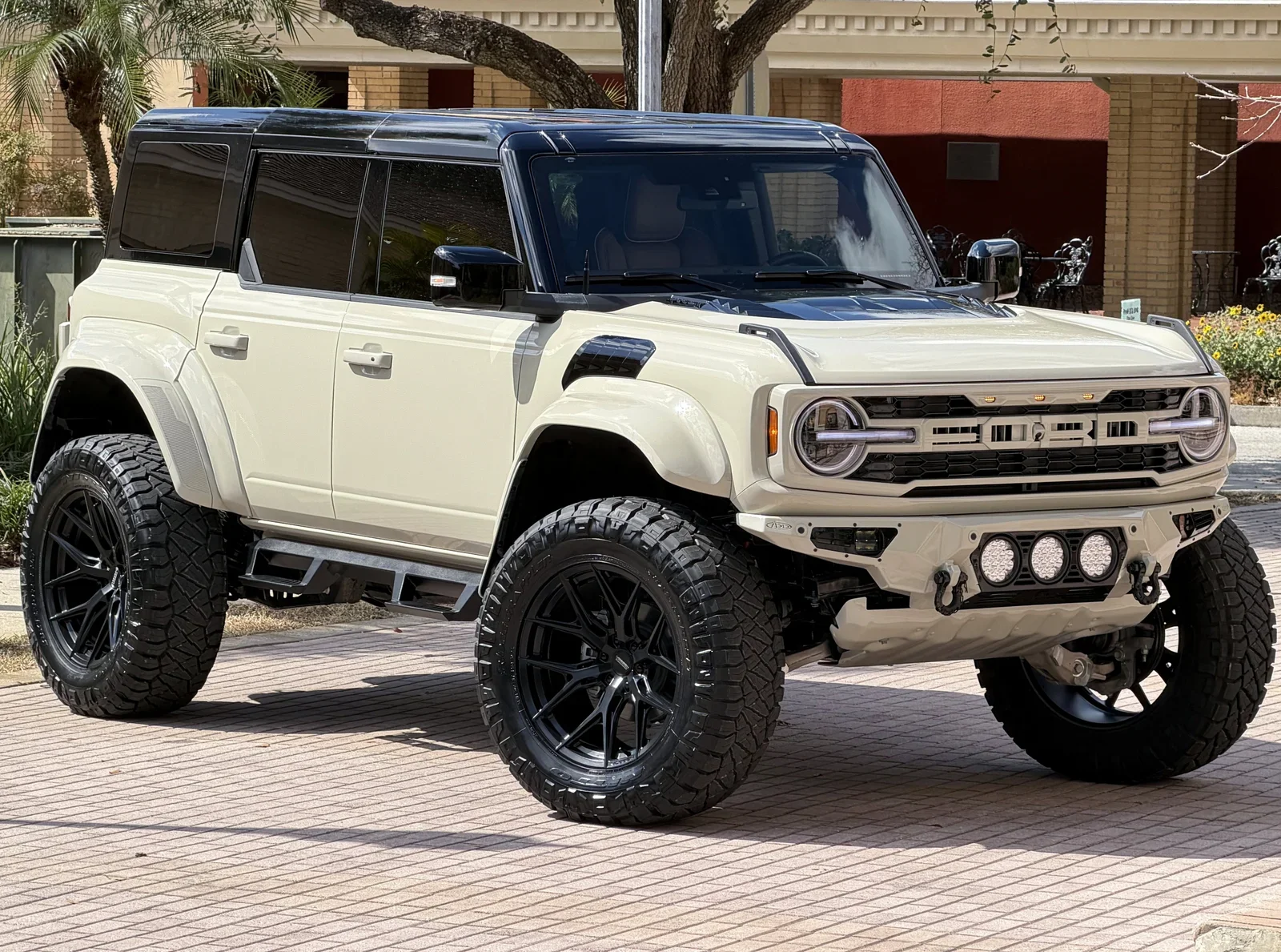
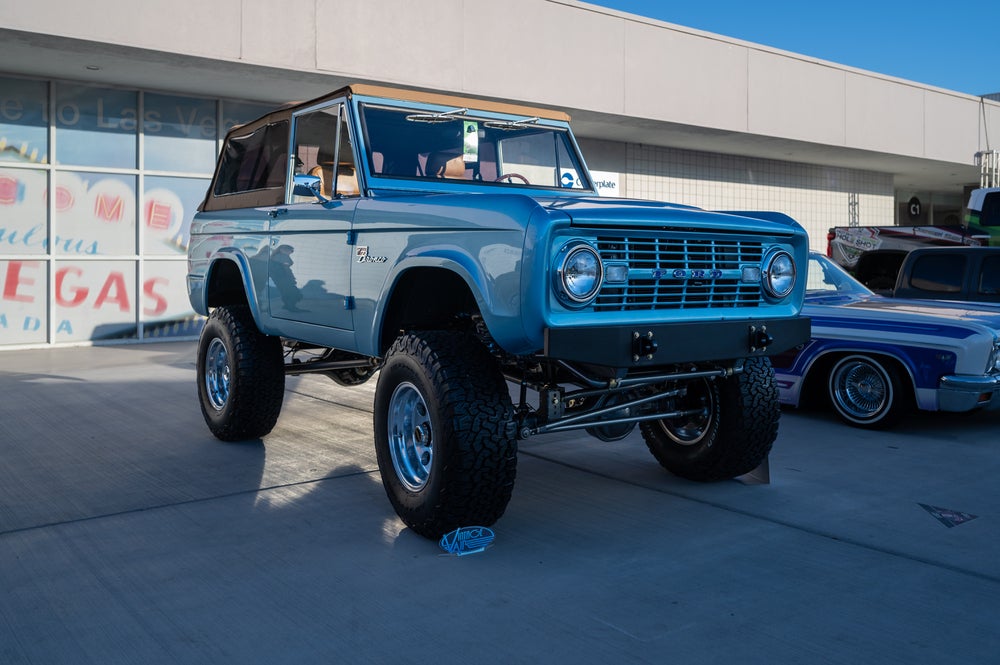
The two tone Ford Bronco has emerged as a striking way to showcase both personality and automotive heritage. Bold color contrasts blend seamlessly with the Bronco’s rugged design and create a look that honors the original 1966 model while embracing contemporary styling.

This approach goes beyond a simple color choice; it communicates individuality and a respect for automotive history.

A Throwback with a Fresh Perspective

Ford introduced the Heritage Editions of the Bronco and Bronco Sport as a tribute to the model’s origins. These trims highlight Oxford White roofs, grilles, and wheel details paired with vibrant body colors. The design pays homage to the first Bronco while integrating current styling preferences.

Squared fenders, heritage stripes, and distinct badging recall the 1960s era, while current engineering delivers modern performance and reliability. The combination of retro design cues and advanced features creates a vehicle suited to today’s adventurous lifestyles.

Customization Beyond the Factory

While the Heritage Editions capture nostalgia straight from Ford, many Bronco owners are taking personalization even further. Enthusiasts are embracing custom wraps and paint combinations that highlight two tone styling in creative ways.

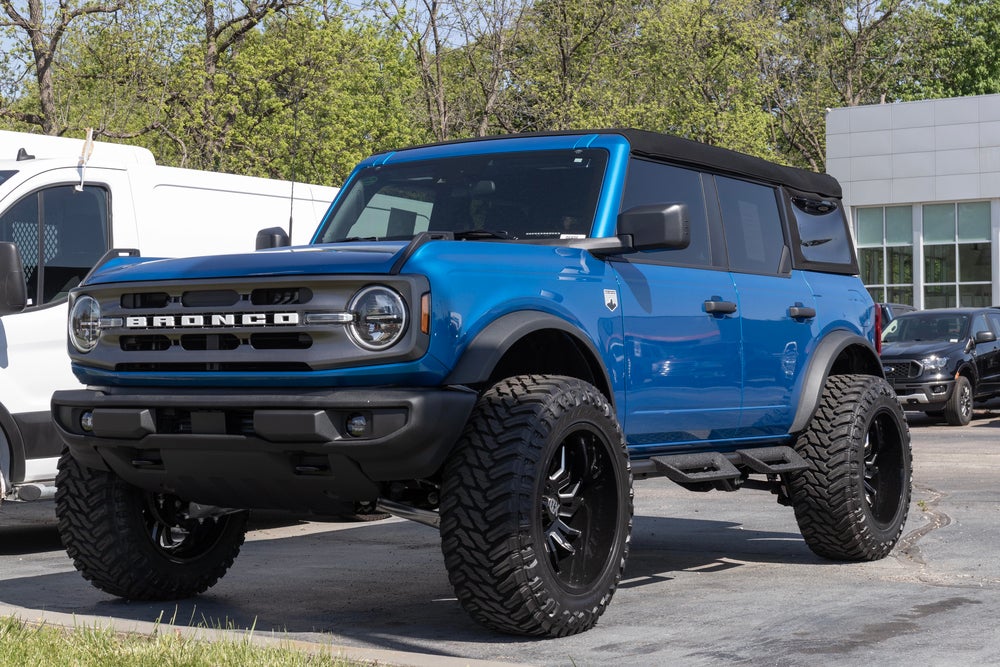
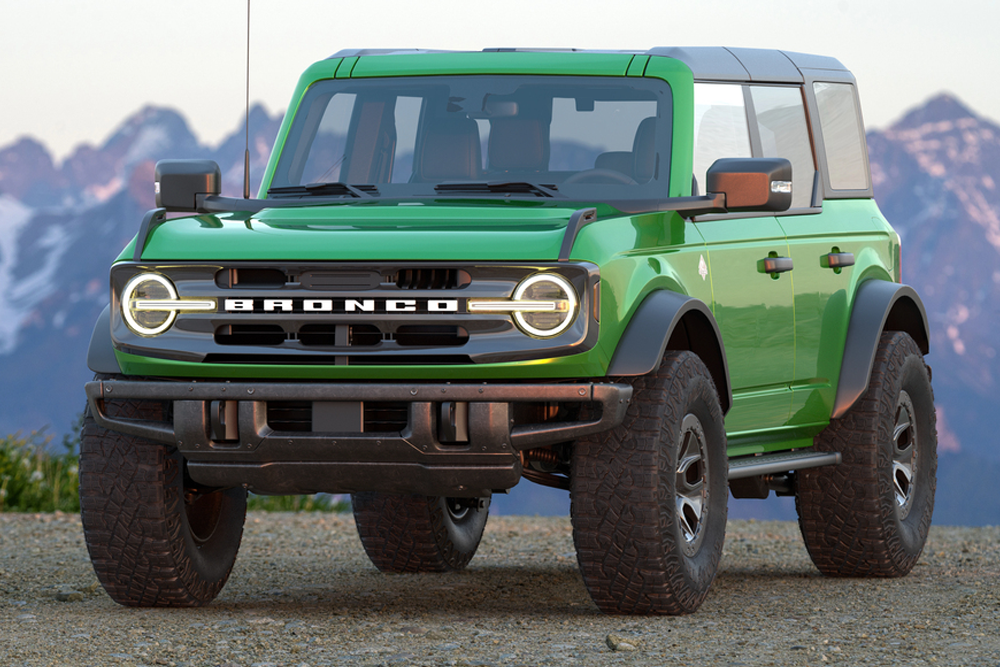
A popular trend involves pairing bold colors like Velocity Blue or Cyber Orange with crisp white tops and accents. Others experiment with fades or darker contrasts for a sportier appearance.

This mix of creativity shows that the Bronco isn’t just a capable off-roader; it’s also a blank canvas for self-expression.

Performance Meets Personality

The two tone Ford Bronco’s visual appeal is matched by impressive engineering. Equipped with the 2.7-liter EcoBoost V6, models produce up to 330 horsepower and 415 pound-feet of torque.

Sasquatch packages add enhanced off-road capability, readying the vehicle for trails, mud, and sand. The combination of bold design and serious performance demonstrates that character and capability coexist without compromise.

Interior Touches with Retro Inspiration

Heritage Edition Broncos continue their retro influence inside. Plaid-inspired seat designs, along with white and Race Red stitching, evoke a classic feel.

Custom interior touches include contrasting upholstery or accent trims that harmonize with exterior colors. Factory or owner-inspired details work together to capture the timeless appeal of the Bronco’s history while keeping comfort and technology at the forefront.

Why This Style Resonates Today

The growing interest in two tone Bronco styling speaks to a broader trend in car culture. Drivers are looking for ways to connect with the heritage of iconic models while still enjoying modern technology and durability.

The Bronco, with its storied history and rugged versatility, is the perfect vehicle for this fusion of old and new. A two tone design doesn’t just turn heads on the road; it sparks conversations about tradition, innovation, and the bond between drivers and their vehicles.

FL Auto Sales Group: Your Destination for Bronco Style

At FL Auto Sales Group, we know how much style matters when it comes to choosing the right vehicle. That’s why we are passionate about helping drivers discover Broncos that highlight both performance and personality.

From striking factory Heritage Editions to models ready for your own customization, we take pride in offering options that bring together heritage and modern innovation.

Visit us and see for yourself how the Bronco continues to inspire a new generation of drivers who want both character and capability in one package.

Recommended Posts

Vintage Bronco Restomods Explained

Vintage Bronco Restomods Explained

Vintage Bronco Restomods Explained A vintage Bronco restomod is a first generation Ford Bronco rebuilt with modern mechanical parts underneath original styling. The body looks period correct. The engine, brakes, steering, and suspension are not. That combination is why a 1970s Bronco can now be driven daily instead of trailered to shows. This guide covers which years to look for, what actually gets replaced in a build, what it costs in 2026, and what to inspect before you buy one. What is a vintage Bronco restomod? It is a restoration plus an upgrade. A straight restoration returns the truck to factory specification. A restomod keeps the look and replaces the parts that make an old truck difficult to live with. The usual result is a Bronco with modern horsepower, modern braking, and a drivetrain that starts reliably in any weather. Nothing about the exterior announces it. That restraint is the point. This is restoration with purpose, not just restoration for appearance. Which years count as a vintage Bronco? The first generation ran from 1966 through 1977, and that is the body style almost every restomod starts with. It is the short wheelbase truck with the flat sides, round headlights, and removable top. Wheelbase is 92 inches across the whole run. A few mechanical dates matter when you are shopping. The front axle was a Dana 30 through 1970 and a Dana 44 from 1971 on, which is the stronger unit and the one you want under a lifted truck. Power steering became a factory option in 1973. Front disc brakes did not arrive until 1976, so every Bronco built before that year left the factory with drums on all four corners. The second generation, 1978 and 1979, is a full size truck on the F-100 platform. Those get built too, and they carry more presence, but they are heavier and parts support is thinner. Rust is the real year filter. A 1972 from Arizona is usually a better starting point than a 1976 that spent forty years near salt water. What gets upgraded in a vintage Bronco restomod? Six systems account for most of the work. Engine. The common swap now is Ford's 5.0 liter Coyote V8, which puts modern fuel injection and around 400 horsepower into a truck that originally made 105 with the base straight six. A built 302 or 351 Windsor is the traditional route and costs less. Transmission and transfer case. Modern automatics, often a 6R80, replace the original three speed. Overdrive is the reason. It turns a loud highway truck into one you can drive four hours without shouting. Brakes. Front disc conversions at minimum, four wheel discs on most serious builds. Original drum brakes are the single biggest safety gap on an unmodified early Bronco. Steering and suspension. The factory manual box took six turns lock to lock, which is why power steering goes into nearly every build. Suspension goes either coilover for road manners or leaf with modern shocks for capability. Lift heights typically run 2.5 to 4 inches, enough for 33 or 35 inch tires without wrecking the geometry. Interior. Modern seats with real support, sound deadening, air conditioning, and usually a discreet stereo. The dash stays period correct on the better builds. You can see how that balance looks on finished trucks in our Ford Bronco gallery. Electrical. A new wiring harness is not optional on a truck this old. It is also the part buyers ask about least and regret most. Every upgrade should be evaluated for fit, function, and long term reliability. A build that adds power without addressing brakes and steering is not finished. How much does a vintage Bronco restomod cost? Three tiers, and the gaps between them are wide. A DIY or owner assisted restoration on a solid truck generally runs $20,000 to $60,000, and that assumes you are doing the labor and the truck did not start out rotten. Rework erases the savings fast. A mid tier professional build lands between $50,000 and $120,000. That gets a driver quality truck with proper rust repair, sorted mechanicals, and good cosmetics, without extensive custom work. A premium frame off restomod starts around $150,000 and climbs. At this level the chassis, powertrain, suspension, and electrical system are all replaced or re-engineered, and the interior is bespoke. Fully re-engineered builds regularly clear $200,000. Labor is the variable that moves these numbers, not parts. A Coyote crate engine and the supporting hardware can be bought for a known price. The hundreds of hours to make it fit correctly cannot. Should you buy a restomod or an original restoration? Buy the restomod if you intend to drive it. Buy the numbers correct restoration if you intend to collect it. An original spec Bronco appeals to purists and to certain auction outcomes. It also has drum brakes, manual steering, no air conditioning, and a carburetor that will remind you what it is every cold morning. Owners who buy original and drive often end up modifying it anyway, one system at a time, which costs more than buying a finished build. The auction record supports the modified trucks too. A modified 1966 Bronco sold for $112,200 at Barrett-Jackson, and that was a wagon, not a headline roadster build. What should you check before buying a vintage Bronco restomod? Ask five questions before anything else. Where did the body come from, and how much is original steel versus new panels or a full aftermarket body? Was rust cut out and replaced, or covered? Ask for teardown photos, not finished photos. Who built the drivetrain, and is there documentation on the swap? Is the wiring a new harness, or the original circuit with additions spliced in? How many miles are on the truck since the build was completed, and was it road tested? A build with no photographic record of the teardown is asking you to take its word for it. Reputable shops document everything, because the documentation is part of what you are paying for. Where can you buy a finished vintage Bronco restomod? Through a specialist builder or through a dealer that carries finished trucks. Builders like Velocity Restorations in Pensacola, Kindred Motorworks in California, and Kincer Chassis all work in this space, and each does serious work. The tradeoff with a from scratch commission is time. A full build runs months, and you are buying from a rendering until it is done. FL Auto Sales Group works both ways. We carry finished custom vintage Bronco builds ready to drive, and we build to order for buyers who want to spec their own. Our vintage work follows the same approach as the rest of our custom Broncos: modernize where it improves reliability and safety, keep the exterior period correct, and road test everything before it leaves. Pricing is itemized so you can see what each system cost. If you already know the spec you want, start at build your own and we will work through it with you from start to finish. If you want the same treatment on a different platform, we build custom Jeeps as well. More on how we work is on our about us page. Can a vintage Bronco be shipped out of state? Yes. We ship over 30 Broncos a month through licensed and insured transporters experienced with specialty vehicles, with standard and expedited options, and expedited delivery generally arrives in seven days or less. Vintage trucks ship the same way new builds do, though we recommend enclosed transport on finished restomods. Details are on our nationwide shipping page. We are about ten minutes from Tampa International Airport if you would rather fly in and drive it home. Contact us and we will walk you through either option. Frequently asked questions Are vintage Bronco restomods reliable? Yes, when the build addresses the whole truck. A modern engine on original brakes and wiring is not reliable. A complete build with a new harness, disc brakes, power steering, and a modern drivetrain is as dependable as any current SUV. What is the best year for a vintage Bronco restomod? 1971 and later gets you the Dana 44 front axle, 1973 and later can have factory power steering, and 1976 and 1977 came with front disc brakes. Body condition still matters more than any of it, since a good builder converts brakes and steering regardless of year. Do vintage Bronco restomods hold their value? Well built ones have held value strongly over the past decade. Documentation, build quality, and the reputation of the shop drive resale more than mileage does. How long does a vintage Bronco build take? A full frame off build typically takes several months to over a year depending on the shop's backlog and the spec. Buying a finished truck removes that wait. By the FL Auto Sales Group Build Team. Published September 11, 2026.

Tires For Custom Bronco: Best Options For On- And Off-Road Performance

Best Wheel and Tire Setups for a Custom Bronco

Wheel and tire choice is the single decision that affects the most other parts of a Bronco build. Get the size wrong and you're fighting rubbing, gearing, and suspension clearance for the rest of the project. Here's how the factory setup works, what changes as you size up, and where a lift becomes necessary instead of optional. What Wheel Specs Does the Factory Bronco Use? Every sixth-generation Bronco runs a 6x139.7mm bolt pattern with a 93.1mm hub bore, standard across trims. Factory wheel offset ranges from roughly +30mm to +55mm depending on trim and wheel size, with factory diameters spanning 16 to 18 inches. That bolt pattern is a common one in the off-road SUV world, which is part of why the Bronco has such a deep aftermarket wheel catalog to choose from. What Tire Size Does the Sasquatch Package Come With? The Sasquatch package replaces standard rubber with 35-inch LT315/70R17 mud-terrain tires, mounted on 17-inch beadlock-capable wheels finished in matte black. Beadlock capability lets you air down tires to very low pressure on the trail without the tire separating from the wheel, which widens the contact patch on sand, mud, or rock rather than bouncing over it. Sasquatch also brings the HOSS suspension system, with position-sensitive Bilstein shocks, and delivers up to 11.6 inches of ground clearance on two-door models. That combination, tires plus suspension plus locking front and rear axles, is why Sasquatch-equipped Broncos handle 35-inch tires from the factory without any aftermarket modification at all. What's the Difference Between 33-Inch, 35-Inch, and 37-Inch Tires? 33-inch tires fit most non-Sasquatch trims, including the base model, without any modification. 35-inch tires come standard with Sasquatch, Wildtrak, and Everglades trims. On other trims, a 35-inch tire often works after removing the factory crash bars, or with a mild leveling kit for extra clearance margin. 37-inch tires almost always require a suspension lift and additional modification. Without extra clearance, 37s tend to rub against steering and suspension components when turning or when the suspension compresses on rough terrain. The Bronco Raptor runs its own factory tire spec: 37x12.5R17 BF Goodrich All-Terrain KO2, built into the vehicle's wider track and factory suspension from the start rather than added on afterward. What Aftermarket Wheel Sizes Work Best on a Bronco? 17x9 wheels in a +1 to -12mm offset range are the most common aftermarket choice for trail-focused builds, pairing well with 33 to 35-inch tires like a 285/70R17 or 315/70R17. Going wider or more negative in offset increases stance and tire poke, but it also increases the chance of rubbing without other clearance modifications. Some owners run 20-inch wheels instead, generally for a more street-oriented look, though 17-inch remains the more common trail choice because of the wider tire selection available in that size. Do You Need a Lift for Bigger Tires? Depends on the size and the starting trim. A 35-inch tire on a Sasquatch-equipped Bronco needs no lift at all, since the factory package already accounts for it. A 35-inch tire on a non-Sasquatch trim may need a small leveling kit rather than a full lift. A 37-inch tire, on almost any trim, needs a real suspension lift plus fender or bumper modification to avoid rubbing. As tire size climbs, the lift requirement stops being optional and starts being structural to the build. How Do Wheel and Tire Choices Affect Gearing and Fuel Economy? Larger, heavier tires change the vehicle's effective gear ratio, since a taller tire covers more ground per wheel rotation. That can make acceleration feel softer and can hurt fuel economy, particularly with 37-inch tires, which run in the 15 to 18 mpg range depending on the rest of the build. Regearing the differentials brings the drivetrain back to its intended performance and is a common addition on 37-inch builds, though it's often skipped on 35-inch setups where the difference is smaller. Where Should You Buy Wheels and Tires for a Custom Build? Plenty of owners order wheels from retailers like Hardrock Offroad or Hulk Offsets and handle tire mounting and installation separately, sometimes at a different shop entirely. That works, but it puts the responsibility for correct fitment, offset, and regearing needs on the owner to coordinate across multiple vendors. We handle wheel and tire selection as part of the full build, factoring in suspension, gearing, and fender clearance together rather than as separate purchases. Every completed build goes through a full road test before it's approved for sale, checking that the wheel and tire setup performs correctly with everything else on the vehicle. Browse our lineup of custom Broncos to see wheel and tire packages built in from the start. Ready to Spec Your Wheel and Tire Setup? Start with Build Your Own to plan wheels and tires alongside suspension and lift decisions, or browse current inventory for finished examples. Every completed build ships nationwide, standard or expedited in seven days or less, through Nationwide Shipping. Frequently Asked Questions What tire size does the Sasquatch package come with? 35-inch LT315/70R17 mud-terrain tires on 17-inch beadlock-capable wheels, no aftermarket modification needed. Do I need a lift for 35-inch tires? Not if your Bronco already has the Sasquatch package. On other trims, a small leveling kit is often enough. Do I need a lift for 37-inch tires? In almost every case, yes, along with fender or bumper modification to prevent rubbing. Does a bigger tire hurt fuel economy? Yes, generally. Larger, heavier tires change the effective gear ratio and increase rolling resistance, with 37-inch setups seeing the biggest impact. Should I regear after upgrading to bigger tires? Often worthwhile on 37-inch builds to restore the drivetrain's intended performance. Less commonly needed on 35-inch setups.

Everything You Need To Know Before Buying A Lifted Custom Bronco

6 Factors That Drive Custom Bronco Pricing

Custom Bronco pricing isn't one number. It's six or seven decisions stacked on top of a base vehicle, each one moving the total in a different direction. Here's what actually drives the price, in the order most builds encounter them. What's the Starting Point for a Custom Bronco Build? The base vehicle. Factory Bronco pricing spans a wide range depending on trim, from a base model to a fully loaded configuration with leather, a premium sound system, and every available option, which can run close to six figures before any custom work begins. Whether you start from a base trim or a heavily optioned one sets the floor for everything that follows. How Much Does a Lift Kit Add to the Price? Anywhere from a few hundred dollars to several thousand, depending on the kit and how much lift you're adding. Ford Performance's own factory-backed lift kit runs about $1,050 per inch, roughly $2,100 for two inches, and comes with a three-year, 36,000-mile warranty. Aftermarket kits vary more widely. A basic leveling spacer might run $100 to $250 installed, while a full coilover suspension system with reservoir shocks can run well into four figures before labor. Installation labor typically runs $100 to $135 per hour, with a straightforward lift taking three to four hours. That puts installed labor alone somewhere around $400 to $900 on top of the kit itself, depending on complexity and region. What Does Custom Paint or Wrap Work Add? A full vinyl wrap typically runs $4,000 to $7,000 depending on trim, panel count, and finish complexity, with premium finishes like true matte or color-flip vinyl toward the higher end. A more limited matte black wrap covering just the body, rather than the full vehicle, runs closer to $2,000 to $4,500. Full custom repaint costs more than either wrap option but delivers a finish that's part of the vehicle rather than a film over it, a tradeoff we walk through with every buyer before committing to a direction. How Much Do Wheels, Tires, and Accessories Add Up? This is where a build's price can move the most, because it's the most open-ended category. A winch in the 10,000 to 12,000 pound range, a steel front bumper, rock sliders, skid plates, and a set of larger tires each add their own cost, and most serious trail-ready builds include several of these at once rather than just one. Basic aftermarket bumpers start in the low hundreds, while a full winch-ready steel bumper with recovery points runs considerably more. Wheel and tire packages vary by size and brand, and stepping up from 33-inch to 37-inch tires often brings a lift and regearing cost along with it, not just the tires themselves. Does Regearing or Drivetrain Work Affect Total Cost? Yes, and it's easy to overlook when budgeting. Larger, heavier tires change the vehicle's effective gear ratio, which can affect acceleration and fuel economy. Regearing the differentials restores the drivetrain's intended performance and is a common addition on 37-inch tire builds specifically, less often needed on 35-inch setups where the effect is smaller. It's a cost that belongs in the budget conversation from the start, not one that shows up as a surprise after the tires are already mounted. How Does a Vintage Restomod Compare in Total Cost to a New-Generation Build? A vintage Bronco restomod involves a different cost structure entirely, since the starting point is a decades-old vehicle rather than a current model year with a factory warranty. Sourcing, structural restoration, and modernizing the drivetrain all factor in before custom finish work even begins. We cover that breakdown in detail in What a Vintage Bronco Restomod Costs, but the short version is that vintage builds and new-generation custom builds are priced from two different starting points, not two versions of the same math. How Do You Get an Accurate Price for Your Specific Build? Every build is different, which is why we don't quote a flat number for "a custom Bronco." What we do instead is walk through your priorities, lift height, finish, accessories, interior, and build an itemized estimate before any work starts, so you know exactly what you're paying for and why. That's the same transparent, itemized approach across our entire lineup of custom Broncos, whether the build is modest or extensive. Ready to Get a Real Number? Start with Build Your Own to spec your build and see how these factors stack up for your specific priorities, or browse current inventory to see finished builds with pricing already worked out. Every completed build ships nationwide, standard or expedited in seven days or less, through Nationwide Shipping. Frequently Asked Questions What's the biggest cost driver in a custom Bronco build? Usually the combination of lift, tires, and accessories together, since these tend to scale with each other rather than being one single line item. Is a factory-backed lift kit worth the extra cost over aftermarket? It depends on your priorities. A factory-backed kit like Ford Performance's comes with a manufacturer warranty. Aftermarket options offer more range in price and capability but vary in warranty coverage. Does a wrap or paint job cost more than wheels and tires? It depends on scope. A full repaint or premium wrap can cost more than a basic wheel and tire upgrade, but a serious off-road tire and suspension package can easily exceed the cost of a wrap. Do I need to budget for regearing separately from tires? On 37-inch tire builds, often yes. On 35-inch builds, it's less commonly necessary, but worth asking about specifically for your setup. Can I get an exact price before committing to a build? Yes. We provide an itemized estimate based on your specific priorities before any work begins.